


The Complete Security Grilles Buyer’s Guide 2026
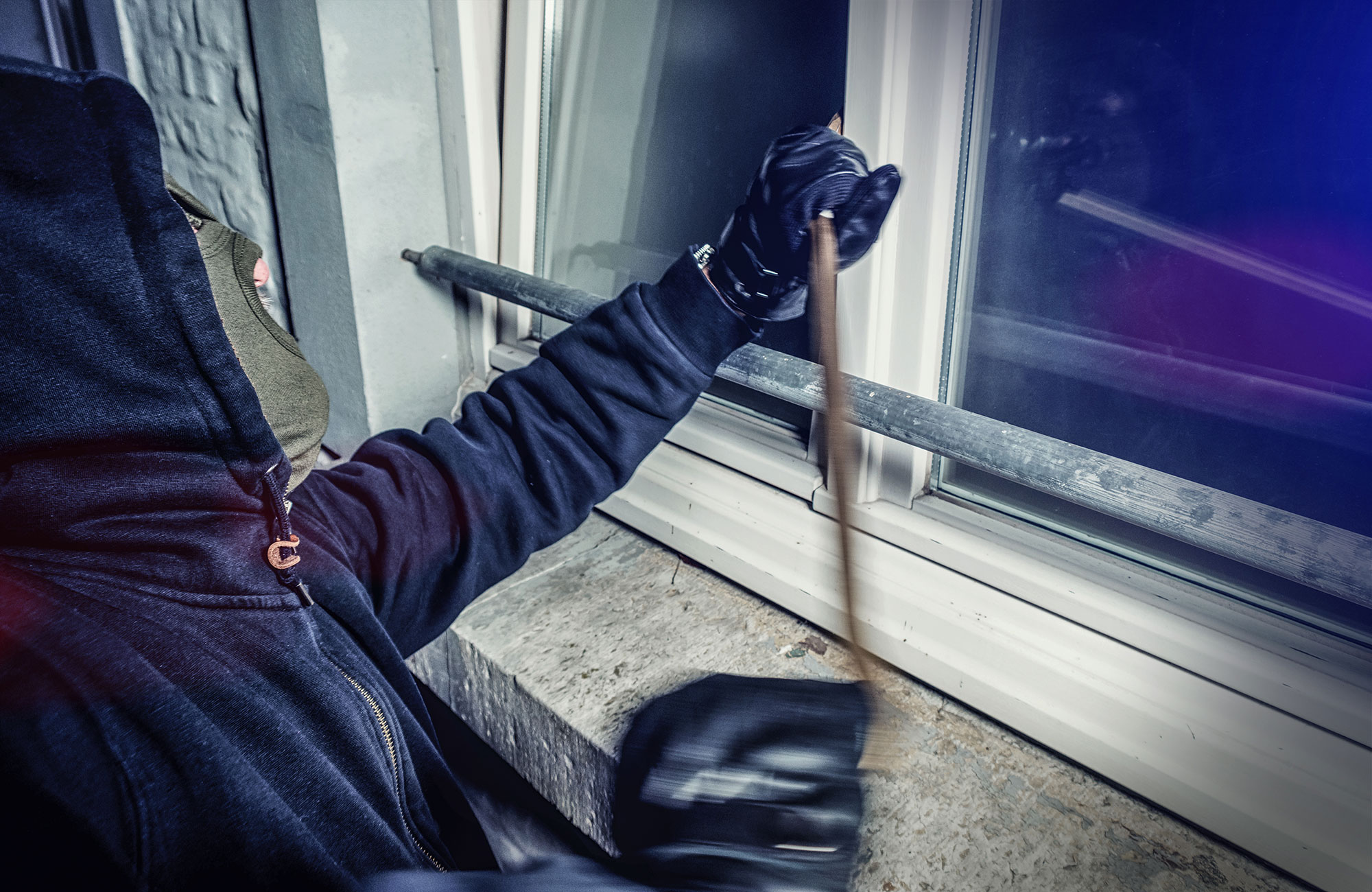
Alarms and cameras only record crime, they don’t stop it. With burglary rates still rising and police response times averaging more than nine hours, the need for stronger protection for homes and businesses has never been greater. Security grilles provide the barrier that burglars can’t bypass, while still looking discreet and stylish. In this guide, you’ll discover how grilles outperform other security options, how they are cost effective and can reduce insurance costs, and why installing them is easier than you think.
Why Are Security Grilles So Important in 2026?
Burglary has long been one of the most common crimes in the UK. Figures from the Office for National Statistics reports hundreds of thousands of burglaries in the UK every year, with risk increasing in the winter when darker evenings provide more cover for opportunistic criminals.
Aviva research in late 2024 that 9% of UK residents had been burgled in the previous year. And a further 25% reporting they had been robbed previously! That’s a striking statistic but what makes this more worrying is the UK Police response time. In 2023 the National Police Chiefs’ Council (NPCC) pledged that every UK force would attend every home burglary a reassuring step for the British public. However resourcing pressures mean the time gap between burglary or attempted burglary and an actual Police attendance at the property can be significant.
- Over 166,000 residential burglaries were recorded in 2025.
- Broader figures including businesses exceed 222,000 incidents annually.
- Only 3.5% of burglaries result in charges, leaving most victims without resolution.
Across England, the average police attendance for burglary is over nine hours, in some areas, victims have reported waiting more than a full day. A burglar, however, only needs minutes to steal valuables or empty a till. Cameras may capture footage, but they do not prevent theft.
Paul Warner highlights the gap “We’ve seen it time and again, people call us after a break-in, with fitted cameras and alarms that make no difference. What they lacked was the one thing that physically stops a burglar, an actual barrier.”
For families, this often means heirlooms, jewellery, or savings gone forever. As Anika, a London homeowner, explains “We installed retractable grilles last year. They fold away so you barely see them, but at night I know they’re locked, we’re safer, and our heirlooms and precious family jewels are safer.”
For businesses, losses can devastate operations. Tom, a Manchester contractor, recalls “We had over £15,000 of kit stolen in a night. The CCTV footage showed it all, but that didn’t stop them. Now we’ve fitted grilles on our depot windows. The difference is immediate, you can see that burglars won’t bother trying.”
If you want to see the data on theft and burglary crimes in your area then you can use Safeguard’s Free Postcode Crime Checker, by simply adding in your postcode.
Why In 2026 Is Just Security Tech Alone Not Enough?
Despite the widespread use of CCTV, smart alarms, and video doorbells, burglary rates across the UK remain stubbornly high. The problem isn’t simply bad luck; it’s that technology alone is reactive. Alarms sound, lights flash, and cameras record evidence, but none of these stop a burglar from forcing entry. Modern intruders know how to work quickly, often leaving long before police can arrive.
The real answer is prevention, not reaction. Retractable security grilles provide a discreet but powerful physical barrier. Unlike heavy shutters or fixed bars, they fold away during the day, preserve aesthetics, and include fire-safe release mechanisms. When locked in place, they resist forced entry and remove the incentive for burglars to even try.
When combined with alarms and CCTV, grilles create the ultimate layered defence, tech alerts, while the barrier itself denies entry. As Paul explains “Security grilles stop burglars in their tracks. They look great, they’re fire-safe, they’re great value, and they’re easy to fit. When combined with alarms or CCTV, you get the ultimate solution, a visual deterrence backed by physical resistance.”
The 3D Model of Protection
Physical security measures are the first and most reliable line of defence. Alarms and CCTV are important but they only provide detection and evidence after the event. On their own they do not stop an intruder who can force entry quickly, take valuables, and escape before Police can attend. Security professionals use the simple 3D model of protection to prepare and prevent property intrusions;
- Deter - make your property look like a hard target.
- Delay - slow down intrusion so alarms can activate and response has a chance.
- Detect - integrate with sensors or CCTV so any attempt is noticed.
A well designed and constructed security grille delivers on all three of these points. It provides a visible deterrent, a delay of many minutes against specialist tools, skilled burglars and brute force, and works alongside alarm systems and CCTV cameras. That is why security grilles have grown in popularity for domestic properties (windows, patio doors) and for commercial premises (shops, offices, warehouses, service entrances).
Another consideration is cost effectiveness, return on investment and savings on insurance premiums. Most insurers will not reduce your premium simply because you install a grille, but they will note that you are reducing the risk of claims. In some cases, especially for commercial policies, insurers will specify that windows and doors must be protected by grilles or shutters of a certain standard. Installing security grilles therefore will not only reduce the likelihood of a burglary, but also ensure you remain compliant with policy terms.
For households and businesses in the UK who want peace of mind, security grilles are one of the most cost-effective, flexible and long-lasting solutions available. Before choosing, however, it is important to understand the types, standards, legal rules and practical considerations involved. That is what this expert guide will cover in detail.
What Exactly Is a Security Grille?
At its simplest, a security grille is a metal barrier designed to cover an opening. Most commonly this means a window, a set of French or patio doors, or a shopfront. The design allows for ventilation, light, and visibility, while creating a physical barrier against forced entry. This makes them distinct from solid shutters, which block sight and light.
Security grilles are almost always made to measure. Openings in homes and commercial properties vary widely, and an ill-fitting grille creates weaknesses that can be exploited. A typical grille consists of;
- Frame or tracks - fixed to the reveal or face of the opening.
- Bars, lattice, or mesh sections - providing the physical resistance.
- Locks or fastenings - securing the grille in position.
- Hinges or sliding mechanisms - for retractable or opening designs.
- Finishes - galvanised, painted or powder-coated to resist corrosion and match the building’s aesthetics.
There are three broad categories
- Fixed grilles - permanently attached, always visible, cannot be moved.
- Retractable or collapsible grilles - fold or slide back when not in use, allowing a clear view by day and closure by night.
- Removable or hinged grilles - less common, these can be detached or swung open for access or escape.
The design of the grille affects not only its appearance and usability but also can effect planning permission, fire safety, and insurance acceptance. Understanding these differences is essential and we will explore those in our guide.
What Are The Most Popular Uses Of Security Grilles for Homes?
Homeowners often worry about burglary risk, especially ground-floor, or easily accessible windows. It is still popular for some people to keep family jewellery, heirlooms and cash in their homes which are very vulnerable to break-ins. Security grilles offer an effective, but aesthetically pleasing and discreet solution.
Windows
- Internal fixed, retractable grilles are common for cellars, utility rooms, and vulnerable ground-floor windows for example.
- Window security that avoids blocking escape, such as grilles that can be opened from inside easily are popular.
Patio & French Doors
- A key vulnerability of home, large glazing areas are attractive to burglars and Patio and French doors tend to be at the back of the house away from the street where burglars could be seen
- Retractable grilles are popular here as they provide robust security at night while sliding discreetly away by day. Many designs stow neatly behind curtains or blinds or next to door frame, preserving the aesthetic of the building.
What Are The Most Popular Uses Of Security Grilles for Businesses?
Commercial premises face different potential pressures compared to homes. Commercial spaces are often empty during the night or are based in parts of the city or town where fewer people are around at night. As a result they can be more vulnerable to theft or vandalism. Also commercial properties tend to have more restrictions relating to planning, and insurance.
Shops & Retail Premises
- Planners tend to dislike ‘dead’ shopfronts which the phrase used to describe premises with roller shutters or security bars. Internal grilles preserve a nicer look for the property and improve chances of planning approval
- Open grille designs reassure customers that a shop is safe but aesthetics are not sacrificed.
Offices & Warehouses
- Rear service doors and staff entrances are common weak points in offices and warehouses, where footfall is needed in the day, but they then need to be secured at night
- Warehouses and offices often combine fixed bars on smaller windows, coupled with alarms and CCTV for layered protection. However security grilles are favoured on doors for easy customer or staff access during the day.
Fixed vs Retractable Grilles, Which Is Best?
Fixed grilles are the simplest form of security grille. They are bolted or fixed directly into the wall, door or window frame. They provide a solid, permanent barrier and once fitted, they cannot be easily removed without tools. Their strengths include;
- High rigidity - fewer moving parts mean fewer potential weak points
- Constant protection - no risk of forgetting to close them, they remain secured
- Cost-effective - usually cheaper to manufacture and to fit.
However, fixed grilles also have limitations;
- They are always visible and tend to be unsightly
- They can obstruct escape routes for householders or staff
- They may not be allowed on listed buildings or shopfronts due to planning rules.
Retractable or collapsible security grilles however are more versatile. They use a sliding or folding mechanism which is often compared to a concertina. When not in use, the grille can stack neatly to one or both sides of the frame. At night, they can be extended across the window or door and lock firmly into place. Advantages include;
- They allow light in and air to flow through - during trading hours or daytime at home.
- Aesthetics - less obtrusive, they can be hidden behind curtains or displays
- Flexibility - they can cover large openings like patio doors or shopfronts.
However, retractable grilles also have limitations;
- Higher initial cost - compared with fixed grilles often, but not always
- Potential user error - relies on staff or household members remembering to close and lock them.
Which to choose?
- For domestic properties, retractable grilles are usually preferred for doors and primary windows because they provide security without making a living room or conservatory feel caged in. Fixed grilles can still be appropriate for small, non-escape windows (e.g., basements). However serious consideration must be given to allowing families quick escape through doors and windows in the case of emergencies.
- For businesses, retractables are excellent for shopfronts, where merchandise needs to be visible but protected after hours. Internally too they work well with service hatches and areas that need to be accessible during the day but locked at night, such as a counter in a pharmacy for example. Fixed grilles can still work well for rear service doors and warehouse windows that are not regularly opened and don’t need to be in an emergency.
Should I Choose an Internal or External Fitting?
Another important decision is whether to fit the grille internally (inside the window/door reveal) or externally (on the outside of the building). Both have important considerations listed below.
Internal Fitting
- Planning permission - often easier. Many UK Councils treat internal fittings as not altering the external appearance, meaning generally no permission is required. (Always confirm with your local planning authority however.)
- Protection from weather - less exposure means coatings and the grilles last longer
- Less vulnerable to tampering - an intruder cannot easily attack fixings from the outside of course
- Preferred in conservation areas - Councils frequently advise shop owners to use internal grilles rather than external shutters, to preserve the character of the street.
External Fitting
- Impact resistance - can prevent glass breakage from stones, bars, or bricks etc.
- Useful for shallow reveals - where there is no room inside for a grille frame to be fitted
- Planning permission usually required - external alterations generally count as development. Many Councils publish specific shopfront security guidance discouraging solid external shutters and encouraging open mesh or internal grilles where possible
- Weather exposure - finishes must be robust to last in the UK climate, galvanising and high-quality powder coating are essential.
Internal fitting is normally the default for domestic and retail settings, balancing security with aesthetics and planning acceptability. External fitting is justified for high-risk premises, or where construction makes internal fitting impossible.
What Are the Differences Between Folding, Sliding and Collapsible Grilles?
The terminology around retractable security grilles can be confusing, with “folding”, “sliding” and “collapsible” often used interchangeably. Understanding these terms helps you choose the right design for your property.
- Sliding grilles - the panels move horizontally along a top, or bottom track, usually sitting to one side
- Collapsible grilles - will feature a concertina, or lattice design, folding tightly together when stowed away
- Folding grilles - sometimes used to describe double-sash systems, where leaves fold back to both sides for an easy to use central opening.
Track Options
- Top-hung - suspended from an overhead rail, leaving floors unobstructed, which are ideal for high-footfall doorways
- Bottom track - provides extra rigidity for wide spans, but they do require cleaning to prevent dust/debris buildup.
Understanding Configurations
- Single sash - locks at one side; useful for windows and narrow doors
- Double sash - locks at the centre, giving symmetrical stowing and a wider clear opening.
The BRE Group (independent UK experts on building standards) has technical summaries on how security grilles are tested in real-world scenarios and they go into greater detail surrounding the importance of grille design details like track design robustness and sash locking designs for example.
Can Security Grilles Really Lower My Insurance Premiums?
Insurance is all about risk management, that’s why insurers increasingly favour visible, physical deterrents. Retractable grilles, fixed bars, or shutters significantly lower the chance of a claim because they slow down or prevent entry altogether.
Paul Warner explains “We’ve seen countless properties where cameras and alarms were fitted and triggered, yet burglars still forced entry and took valuables. Insurers know that alarms and cameras don’t stop crime, and the premiums reflect that.”
For many property owners, fitting grilles has a direct effect on insurance costs.
Mark, a Birmingham shop owner explains “We had CCTV and alarms, but insurers kept increasing our premiums. Once we installed grilles, our renewal quote came back lower. The installation took less than a day.”
Ayesha, a retailer from Leicester notes “Our shopfront is all glass, so roller shutters would have ruined the look. Retractable grilles that disappear during the day look great, and our insurance broker confirmed they reduced our risk rating.”
Insurance-approved grilles are even tested to recognised burglary resistance standards, giving insurers confidence in their performance. By combining grilles with alarms and CCTV, property owners can often achieve lower premiums while enjoying far stronger real-world security.
- Some specific insurers offer discounts for certified physical security (locks, alarms, grilles)
- Others use it as a condition of cover, not a discount i.e. if you don’t install, they won’t insure
- Even where no direct discount is offered, grilles reduce the likelihood of making a claim, which keeps premiums lower over time of course.
The Association of British Insurers (ABI) notes that while premiums are influenced by many factors, insurers often reward risk reduction and compliance with policy requirements. For businesses, insurers often demand minimum standards of physical protection, such as steel doors, shutters, or grilles that have been rigorously tested. For homes, insurers may not insist but will note security upgrades positively.
The simplest approach is to ask your insurer whether certification is required for your property type and if so if installing grilles reduces the premium.
Is It Really Important To Have A Grille With The LPS 1175 Security Rating Fitted?
There is a category of grilles that have been attack tested by an independent body called the Loss Prevention Certification Board (LPCB), which is part of the Building Research Establishment (BRE). This body is used by and partly funded by the Association of British Insurers (ABI).
This type of grille can be specified by insurance companies, especially in high risk, commercial buildings such as offices and factories.
Manufacturers can submit their grilles for attack testing by the LPCB. To do so, they fix grilles into a frame (usually a large structural timber frame). The grille and the fixings are then attacked using a variety of tools, that would be widely available to a potential intruder. The type of tools and duration of the attack then determines the security rating achieved (LPS 1175 1-3).
The attack is obviously carried out in a laboratory-type situation. In order to be able to meaningfully transfer this into an actual building, the grille must be installed in such a way that it replicates that situation. To do so the following all have to occur.
- It should be fitted by a trained installer (ideally trained by the actual manufacturer of the grille).
- The same fixings (size, design and material) as in the attack test must be used.
- The fixings must be positioned and spaced as in the attack test and the correct number of fixings used.
- Finally, the grille must be fixed directly into the substrates specified in the approval document (usually steel, brick, block or structural timber) and not via an intermediate substrate, such as plasterboard or window sill.
If any one of the above does not happen, the grilles security rating will almost certainly be invalidated.
The reality of this is that security-rated grilles can rarely be fitted into an existing building (especially a domestic one). They therefore need to be designed into the building by the architect before the building is constructed.
Not only does specifying a security-rated grille in a situation where it cannot be fitted in such a way that the rating is valid mean that the customer is paying for something they are not getting (rated grilles are up to several times more expensive than non-rated grilles). It can also mean that the grille is more vulnerable to attack as the fixings can often be more easily compromised than standard fixings, as they are being used in a situation they are not designed for.
Because of the above, Safeguard Security stopped selling its security-rated grille into the retrofit market over ten years ago. We would strongly advise that any customer who is quoted for an attack-tested grille for fitting into an existing property, directly contacts the manufacturer of the grille. The manufacturer should be able to confirm whether the grille is suitable on the basis of photographs of where the grille will be fitted. As well as this, the customer should ask for confirmation, in writing, from the installer, that the security rating will be valid in their property and that the correct installation procedure will be followed and specified fixings used.
Safeguard’s high security Multi-Lock is the same lock that is used in its security-rated grille. This can be used in a higher-risk situation, where a security-rated grille cannot be fitted because of the structural limitations of the building.
What’s the Difference Between Security Grilles and Roller Shutters?
It’s important to be aware that Councils often issue guidance discouraging solid external shutters. For example, Gravesham Borough Council states in its planning documentation that solid roller shutters “create a hostile environment” and encourage internal or open-mesh security. As a business owner you should contact your local council if you want to fit solid bars, or roller shutters, as they may not be permitted in your area.
Although more common abroad, UK homes and apartments tend not to have roller shutters installed as they give an industrial look that is not appealing.
Why Should I Buy UK-Made Security Grilles Instead of Cheap Imports?
The UK market for security products is increasingly flooded with cheap imported grilles. At first glance, these may seem more cost-effective, but in practice they often use low-grade steel, poor coatings, and substandard locks. The result is often products that rust quickly, fail under force.
Safeguard Security manufactures its grilles here in the UK for example, using the highest quality aluminium and BS EN 12206-1 standard powder coating. Every grille is made to order, ensuring precise fit and long-lasting performance. Choosing UK-made grilles also means;
- Proven security standards - many are rigorously tested, giving confidence to homeowners, insurers, and planning authorities.
- Planning permission compliance - local councils are far more likely to approve products that meet recognised UK security and safety requirements.
- Insurance considerations - insurers prefer certified, UK-tested barriers over uncertified imports.
- Longevity - with correct finishes, UK-made grilles can last 30 years, while cheap imports often deteriorate within a few years.
When it comes to security, saving a few pounds on low-quality imports can be a false economy. UK-manufactured grilles provide the safety, resilience, and regulatory compliance that both insurers and planning officers take seriously, while giving you true peace of mind.
Which Materials and Finishes Are Best for Security Grilles?
Grilles in the UK market tend to use Steel or Aluminium in their construction and are then powder coated to protect them against the elements and ensure they last longer.
Steel Grilles
- Strong and economical, suitable for both fixed and retractable designs
- Require hot-dip galvanising to EN ISO 1461 to resist rust, particularly when they will be used outdoors (inline with BSI Standards). Rust can be an issue with steel grilles and also the overall weight of the grilles are not ideal for large door and window coverings
Aluminium Grilles
- Lightweight, naturally corrosion-resistant, ideal for large spans where weight could be an issue
- Often used in top-hung systems where weight must be minimised for example.
Powder-coating of grilles
- Powder coating to BS EN 12206-1 ensures durability and colour stability over time
- Grilles are normally powder coated in white which helps the grilles blend into existing window frames, or shop branding. White also is clearly visible at night which provides a clear visual deterrent to would be thieves.
Are Security Grilles Safe in a Fire or Emergency?
Security should never compromise safety of course and this is where security grilles have a key advantage over fixed bars and roller shutters.
- Building Regulations (Approved Document B) for example require escape routes to be clear and quickly operable in case of an emergency (Gov.uk Building Regs) For example there is a need to keep the key in a nearby key box, or ensure that other grille keys in the property are 'keyed-alike' so can be used across all the grilles.
- Local Fire Brigades and other services issue guidance on safe use of security grilles, stressing unobstructed escape as the ideal setup. We advise you contact your local fire brigade for guidance.
Quality UK manufacturers like Safeguard Security always design with safety in mind and advise their customers of safety considerations for householders and staff. However put simply, whenever a grille is installed it should never permanently obstruct a designated escape window or door. The use of hinged or openable grilles where escape might be needed is paramount.
Do I Need Planning Permission to Install Security Grilles?
One of the most common concerns is whether you need planning permission to install security grilles. The rules vary, but there are consistent themes;
- Internal grilles - In most cases, these are considered internal alterations and do not require planning permission. For example, Adur & Worthing Councils explicitly encourage internal grilles to avoid altering the streetscape of their towns
- External grilles or shutters - These almost always require planning permission, because they change the external appearance of the property
- Listed buildings - If your property is listed, even internal security grilles can require Listed Building Consent (LBC). Historic England emphasises that any work altering the character of a listed property, even internally, needs approval
- Conservation areas - Councils usually publish shopfront design guidance. Open-mesh or internal grilles are encouraged, solid roller shutters are strongly discouraged.
We suggest you start with Planning Portal which provides national guidance and links to your Local Planning Authority and submit a ‘pre-application enquiry’ which can save costly mistakes, further down the line.
How Long Does a Quality Security Grille Last?
A properly fitted, UK-manufactured security grille isn’t just a short-term investment, it’s designed to protect your property for decades. Unlike cheaper imports that often rust, seize, or warp within a few years, grilles made in the UK with quality materials can last 30 years or more with little or no maintenance.
The key factors that determine longevity include;
- Quality of materials – grilles use high quality metal, durable tracks, and secure locking mechanisms that stand up to repeated use and the UK climate
- Protective coatings – galvanising and powder coating that adhere to British Standards prevent corrosion even in harsh conditions
- Correct installation – a well-measured and professionally (or carefully self installed) fitted grille ensures smooth operation without undue strain on the window, or door frame.
In practice, many property owners find their grilles outlast alarms and CCTV systems several times over. When compared with the cost of replacing stolen goods, or paying higher insurance premiums, the long-term value is clear, a well-built grille is a one-time investment that pays for itself in security and peace of mind.
What Types of Locks Are Available for Security Grilles — and Which Is Best?
The strength of a security grille isn’t just in its frame or track, the locks are often what stands between your property and a determined intruder. Choosing the right lock type can make the difference between a grille that deters and one that fails under attack.
Lock Options at a Glance
Cam-Lock
- Uses two radial pin tumbler cam locks, typically mounted top and bottom
- Locks positioned in an overlapping profile to resist attack eg crowbarring
- Slim design that doesn’t consume much space when grille is open
- Keys are uniquely coded (e.g. 125,000 combinations) and can be matched across multiple grilles
- Ideal for lower-risk areas, or as a basic secure option where anti-forcing strength is moderate.
Multi-Lock (High Security)
- Perfect for regular use, because they are easier to lock
- No exposed cylinder, cannot be snapped or picked
- Multiple locking points depending on grille height (3 or 4 positions) for enhanced strength
- Offers up to 500,000 keyed combinations; keyed alike systems possible across multiple openings
- Simpler single-key operation, often with a visible fob to show locked status
- Suited for high-risk areas, business premises, or insurance-required security levels.
Lock Positions & Sash Options
Depending on how your grille is designed, you can choose where the locks sit and how the sash opens;
- Lock in Middle (Double Sash) locks in the centre, with leaves folding left and right
- Lock on Left - the grille locks on the left and opens to the right
- Lock on Right - locks on right, opens to left.
Choosing the correct lock position ensures that the grille aligns properly with your door or window configuration, maximising security and usability.
Why Lock Specification Matters
- Resistance to attack - Cam-locks offer basic resistance, but multi-locks provide multiple locking points, resist snapping, and stand up to more sophisticated attacks
- Longevity & reliability - Higher-spec locks (like multi-lock systems) have more durable internals and better design for repeated use under strain.
- User convenience - Multi-lock systems often use a single key with multiple locking points, which is easier for regular use
- Aesthetic & profile - Slim cam-locks are less intrusive when the grille is open. High security locks are engineered to balance strength without bulk.
When you order your grille, selecting the right lock type is as critical as selecting the right material or configuration. A high-quality frame with a weak lock becomes a liability. Always ask for specifications, independent test results, and compatibility across your property’s multiple grilles (so you don’t carry multiple keys for example).
Can Security Grilles Still Look Stylish and Attractive?
Security grilles are relatively low or no maintenance at all, but regular care ensures they remain in good condition;
- Tracks - could be vacuumed and wiped down to prevent dust/debris interfering with operation
- Powder coating - you can wash surfaces with mild detergent to prevent dirt build-up and give the grilles a cleaner look
- Weathering - the UK climate can be tough on any property and in particular coastal property grilles require more frequent inspection.
However with correct treatment, galvanised and powder-coated grilles can last 30 years or more.
How Do I Maintain and Clean Security Grilles for Long Life?
A frequent concern is that security grilles could make a property look like a prison or uninviting. However modern and thoughtful designs address this and maintain the look of a property;
- Colour - Grilles can be finished in virtually any colour, matching existing window frames or shop branding. As a rule grilles tend to be white as most window frames and door frames are white and they are noticeable at night
- Slim profiles - Modern retractable grilles use narrower grille sections that allow for more light and airflow
- Concealed stacking - Many designs allow the grille to stow behind curtains or blinds, or simply stack neatly so they aren't very noticeable.
Good aesthetics matter not only for planning, but for property value and owner perception. A well-integrated security grille looks attractive and reassuring, not hostile or uninviting.
How Can I Take the Next Step Toward Securing My Property?
Security grilles are one of the most practical, cost-effective, and planning-friendly ways to protect UK homes and businesses. They combine visibility, aesthetics, and physical resilience in a way that tech products like alarms and CCTV alone cannot.
- Grilles deter and delay intruders, giving alarms and CCTV time to work
- Planning is usually easier for internal grilles than external shutters
- Costs vary, but over a 30-year lifespan, they provide excellent ROI.
Before buying we would advise you check your crime risk by postcode, consult your local planning portal, and decide whether you need a certified product for insurance.
Safeguard Security Is Here To Help
- If you’d like an instant quote you can use our Photo Quote tool to upload pictures of your windows or doors you'd like to cover and we can offer tailored advice
- Or, if you already know your measurements you can add those into our free shop online calculator for instant pricing for a self installation option
- Or if you prefer, you can speak directly to a specialist team member for friendly, no-obligation guidance on specification, planning, and fitting.
Can I Install A Security Grille Myself?
Many security grilles are now designed with DIY fitting in mind, offering factory-direct affordability without compromising strength. In fact, Safeguard’s retractable grille systems are intentionally engineered to be fitted using only a drill and screwdriver. The principle is similar to installing a heavy-duty window blind; accurate measurements, secure rails, and a little patience.
DIY installation offers two major advantages; cost savings (as you avoid labour charges) and flexibility, allowing you to fit grilles at your convenience. For property owners who feel unsure, a professional installation service is often available, and often these come with an extended warranty. In both cases, the result is the same; a robust, discreet barrier that enhances security. Self installation makes high-quality protection accessible to more homeowners and businesses who value both safety and value.
How Do I Measure Correctly for a DIY Security Grille Installation?
Accurate measuring is the single most important step in ensuring your grille fits perfectly. Before ordering, take time to measure the opening at multiple points across its width and height, since walls, floors, and recesses are rarely perfectly straight. Safeguard recommends recording dimensions in centimetres and double-checking every result.
Different openings require slightly different approaches. For window or door recesses, measure from wall to wall, floor to lintel, and allow for any skirting boards or handles. Flag-style units (door with adjoining window) or T-shaped layouts require separate measurements for each section. Where no recess exists, a face-fix method is used, where the grille is installed directly onto the wall surface. For unusual shapes such as bays, photos are encouraged so the manufacturer can advise.
How Do I Install a Security Grille Step by Step?
Installing a retractable grille is a straightforward four-step process. First, fix the top and bottom rails into the recess using secure drill points. Next, lift and position the grille framework so it slides smoothly along these rails. The third step is to attach the side fixings, anchoring the grille firmly to the reveal. Finally, add corner fixings, locking the system into the structure. Once complete, the grille operates smoothly, stacking neatly to the side when not in use and locking firmly when deployed.
For those new to DIY, the process is easier than expected. Safeguard provides both written instructions and video guides, breaking each step into simple actions. The main tools required are a drill, screwdriver, and measuring tape. The reward for a little effort is significant, homeowners can save hundreds of pounds by fitting the grille themselves. And for peace of mind, professional installation remains an option.
How Much Do Security Grilles Cost and Are They Worth It?
Of course one of the most practical questions any homeowner or business owner will ask is how much will it cost to install security grilles. However security grilles vary in price depending on several factors.
- Size of Window Or Door Opening
- The width and height directly impact material amount and labour needed for fitting
- Larger spans (e.g. shopfronts) may require reinforced tracks or double-sash configurations.
- Grille Type
- Fixed grilles are typically the most cost-effective
- Retractable/collapsible grilles can be more expensive due to their sliding mechanisms
- Quality products cost more, reflecting the increased labour time in the engineering and testing.
- Material and Finish
- Steel - strong and cost-efficient, but needs galvanising and coating and this is a less popular material for modern grilles as it is heavy and not as long lasting
- Aluminium - generally has a higher material cost, however it is far better at spanning longer areas, as it is lighter and it is much longer lasting in the UK climate
- Powder coating - adds cost but enhances lifespan and aesthetics.
- Locks and Accessories
- Multi-point locks or concealed tracks can add significantly.
- Installation
- DIY installation saves labour, but requires accuracy in measuring and some DIY experience
- Professional installation ensures compliance and often comes with warranties on products.
Typical Price Ranges (indicative only)
- Small fixed window grille - £250–£400
- Retractable grille for French/patio doors - £700–£1,200
- Shopfront grille - £1,500–£3,000+ depending on width and finish.
Return on Investment
- Direct savings - Some insurers recognise certified grilles, reducing premiums or policy excesses
- Indirect savings - Fewer claims means lower future premiums
- Avoided losses - The average UK burglary claim is over £1,200 (Aviva, 2024), not including disruption, emotional stress, or increased premiums
- Longevity - A well-specified grille can last 30 years, meaning annualised cost is modest.
Safeguard Security offer an instant quote in their shop section where you can add in dimensions and receive a self installation quote including delivery costs. Or you can upload a series of photos of the door window for a quote. Alternatively you can simply call and speak to one of our friendly team for a quote.